Spring clean & green!
Indoor air quality is a crucial aspect of a healthy living environment. With increasing concerns about pollution and allergens, finding natural ways to purify the air in our homes has become more important than ever. One of the most effective and aesthetically pleasing methods is using houseplants. Not only do they enhance the beauty of our interiors, but they also have the remarkable ability to clean the air. In this article, we will explore various plants known for their air-purifying qualities and explain how they contribute to a healthier indoor environment.
Benefits of Air-Purifying Plants
Improved Air Quality
Air-purifying plants can remove toxins and pollutants from the air, such as formaldehyde, benzene, trichloroethylene, and carbon monoxide. These common indoor pollutants originate from household items, cleaning products, and even the outdoor environment.
Enhanced Mental Health
Having plants indoors can improve mental health by reducing stress, enhancing mood, and increasing productivity. The presence of greenery provides a calming effect, making indoor spaces more pleasant and conducive to well-being.
Increased Humidity
Many houseplants release moisture into the air through a process called transpiration. This can help to maintain indoor humidity levels, which is particularly beneficial during dry seasons or in homes with air conditioning.
Natural Air Fresheners
Plants can naturally freshen the air by releasing pleasant scents. Herbs like lavender and rosemary not only purify the air but also add a delightful fragrance to your home.
Top Air-Purifying Plants
Spider Plant (Chlorophytum comosum)
Spider plants are excellent at removing formaldehyde and xylene from the air. They are easy to care for and thrive in indirect sunlight, making them perfect for indoor environments.
Snake Plant (Sansevieria trifasciata)
Also known as mother-in-law's tongue, the snake plant is one of the most effective air-purifying plants. It absorbs toxins such as formaldehyde, benzene, and trichloroethylene, and releases oxygen at night, making it ideal for bedrooms.
Peace Lily (Spathiphyllum)
Peace lilies are known for their ability to remove ammonia, benzene, formaldehyde, and trichloroethylene from the air. They also produce beautiful white flowers, adding an aesthetic appeal to any room.
Aloe Vera (Aloe barbadensis miller)
Aloe vera is not only a healing plant but also an air purifier. It effectively removes formaldehyde and benzene, which are byproducts of chemical-based cleaners and paints.
Boston Fern (Nephrolepis exaltata)
Boston ferns are excellent at adding humidity to the air while also removing pollutants like formaldehyde and xylene. They thrive in cool, humid environments with indirect light.
English Ivy (Hedera helix)
English ivy is known for its ability to reduce airborne fecal-matter particles and formaldehyde. It is a versatile plant that can be grown in hanging baskets or as ground cover.
Bamboo Palm (Chamaedorea seifrizii)
The bamboo palm is effective at removing formaldehyde, benzene, and trichloroethylene from the air. It also acts as a natural humidifier, adding moisture to dry indoor air.
Rubber Plant (Ficus elastica)
Rubber plants are great for improving air quality by eliminating toxins such as formaldehyde. They are relatively low-maintenance and can grow quite large, making them a striking addition to any room.
Golden Pothos (Epipremnum aureum)
Golden pothos, also known as devil's ivy, is a hardy plant that excels at removing formaldehyde, benzene, and xylene from the air. It is easy to grow and can tolerate a variety of indoor conditions.
Spruce up your shelf life
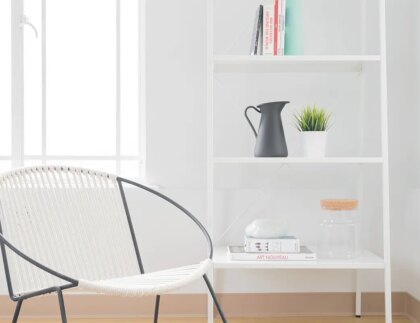
A shelf with strategically-placed plants helps to tease out the feeling of playful design, even in functional spaces, like a tableware storage shelf or even a pantry. A trip to your local garden nursery should provide plenty of design inspiration for your spring design transition.
And if you’re truly hitting a wall when it comes to thinking of a clean and green theme for your home, consider collaborating with one of Havenly’s professional online interior designers.
Tips for Maintaining Air-Purifying Plants
Proper Lighting
Different plants require different levels of light. Ensure that you place your air-purifying plants in areas where they receive the appropriate amount of sunlight or shade.
Watering Needs
Overwatering or underwatering can harm your plants. Understand the specific watering needs of each plant to keep them healthy and thriving.
Soil and Potting
Use high-quality potting soil and ensure that your plants are in pots with adequate drainage. This prevents root rot and promotes healthy growth.
Regular Cleaning
Dust can accumulate on the leaves of your plants, reducing their ability to purify the air. Gently wipe the leaves with a damp cloth regularly to keep them clean.
Pruning
Regularly prune dead or yellowing leaves to encourage new growth and maintain the health of your plants.
Conclusion
Incorporating air-purifying plants into your home is a natural and effective way to improve indoor air quality. These plants not only remove harmful toxins but also enhance the overall ambiance and mental well-being of your living space. By selecting the right plants and providing them with proper care, you can enjoy a healthier and more pleasant home environment.